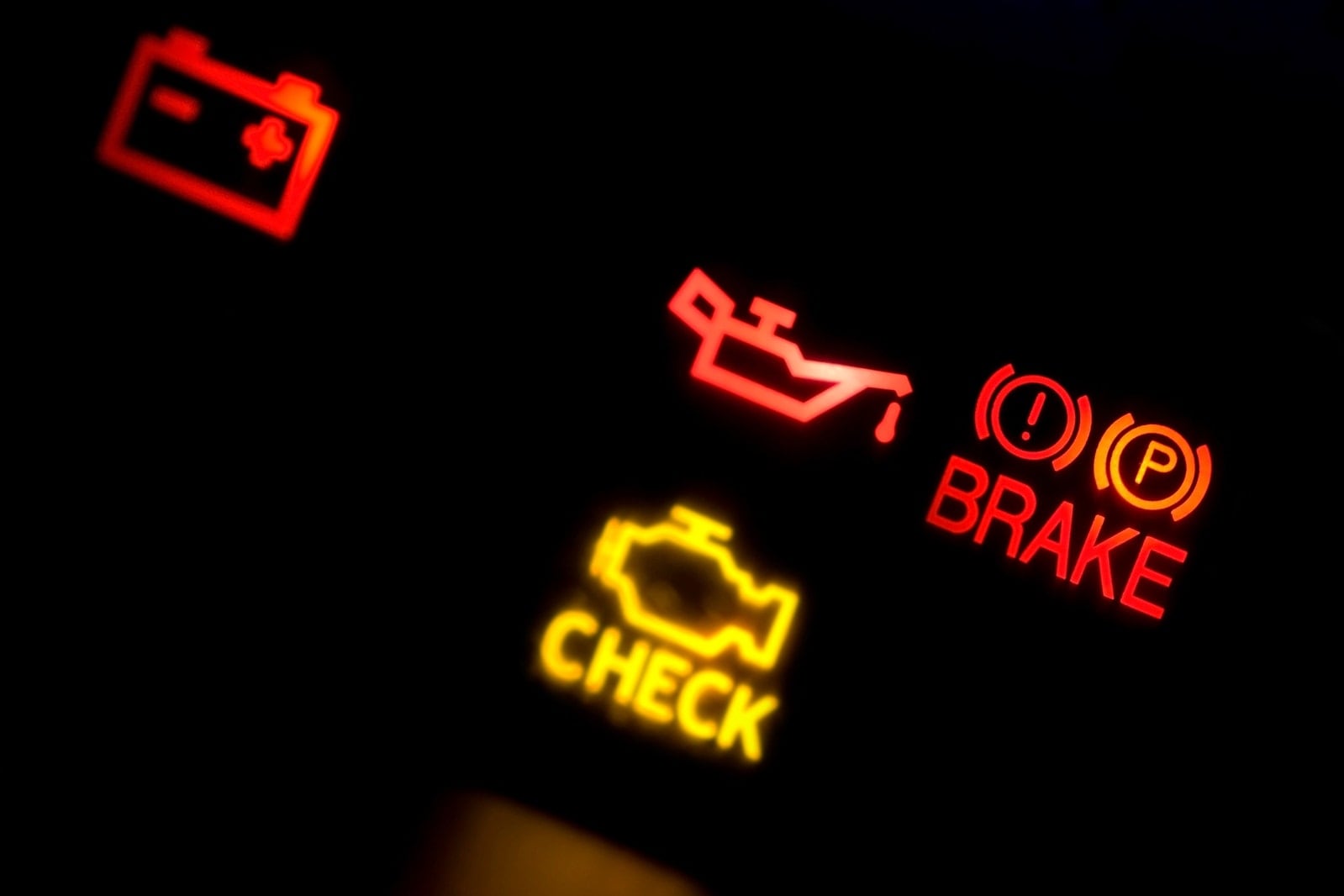
That small orange light on your dashboard can be stressful. Most drivers ignore it for a while… until the problem gets worse. But what if you could understand exactly what your car is trying to say?
Thanks to modern diagnostics and OBD-II technology, you no longer have to guess.
🔍 What Does the Check Engine Light Mean?
The check engine light is triggered when your vehicle detects an issue in its systems. This could be something minor — like a loose fuel cap — or something more serious like engine misfires or sensor failures.
Behind this warning is a system called:
OBD-II
It stores error information known as DTC (Diagnostic Trouble Codes), which explain exactly what is wrong with the vehicle.
📱 From Warning Light to Clear Data
In the past, you needed a mechanic to decode these errors. Today, you can do it instantly using an OBD-II adapter and a mobile app like Autista.
Once connected, your phone can show:
- Exact error codes (P0, P1, etc.)
- Engine performance data
- Sensor readings in real time
- Possible causes of the issue
This turns a mysterious warning light into understandable information.
⚙️ Why You Should Never Ignore It
Ignoring the check engine light can lead to:
- Increased fuel consumption
- Engine damage over time
- Expensive repairs
- Reduced vehicle performance
Even if the car still feels “normal,” hidden issues may already be affecting efficiency.
🚗 Real-Time Diagnostics = Smarter Driving
With OBD-II-based apps, you can monitor your car continuously instead of waiting for problems to appear.
You can:
- Detect issues early
- Track engine health
- Clear and understand error codes
- Improve long-term vehicle performance
This is not just diagnostics — it’s preventive maintenance.
🔮 The Future of Car Maintenance
Cars are becoming smarter every year. Instead of reacting to breakdowns, drivers are now shifting toward real-time monitoring and predictive maintenance.
With tools like Autista, your smartphone becomes a personal vehicle diagnostic center.
🚀 Final Thoughts
The check engine light is not your enemy — it’s communication.
Once you understand it through OBD-II data, you gain full control over your vehicle’s health and performance.
Listen to your car before it becomes a bigger problem.

