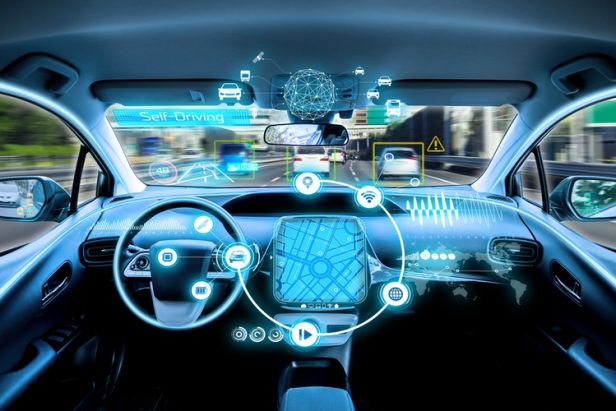
Modern cars are no longer just mechanical machines — they are smart systems full of sensors, data, and real-time diagnostics. Every second, your vehicle is generating valuable information about its health, performance, and driving behavior. The question is: are you accessing it?
With OBD-II technology, you can now unlock this hidden world of vehicle data directly from your smartphone.
🔍 What is OBD-II?
OBD-II is a standardized system built into most modern vehicles. It allows access to your car’s internal data through a simple diagnostic port usually located under the dashboard.
Through OBD-II, you can read real-time information such as:
- Engine RPM
- Vehicle speed
- Coolant temperature
- Fuel consumption
- Throttle position
- Error codes (DTC)
This transforms your car into a fully transparent system.
📱 Turning Data into Insight
Raw data alone is not useful — it needs to be interpreted.
That’s where modern mobile solutions like Autista come in. By connecting an OBD-II adapter to your vehicle, you can instantly visualize your car’s behavior in real time.
Instead of guessing what’s wrong with your vehicle, you can now see it happening live.
⚙️ Why This Matters
Understanding your car’s data gives you real advantages:
- 🚀 Better performance awareness
- ⛽ Improved fuel efficiency
- 🛠 Early detection of engine issues
- 💰 Lower maintenance costs
- 🧠 Smarter driving habits
Even small insights like engine load or idle time can significantly improve how you drive.
📊 The Future of Driving is Data-Driven
Vehicles are evolving into connected digital systems. With technologies like OBD-II and mobile integration, every driver now has access to professional-level diagnostics tools that were once only available in service centers.
Apps like Autista are leading this transformation by making complex automotive data simple, visual, and actionable.
🚀 Final Thoughts
Your car is constantly communicating with you — through data.
The real power comes when you start listening.
With OBD-II technology and smart applications, you are no longer just a driver — you become a data-driven vehicle operator.

