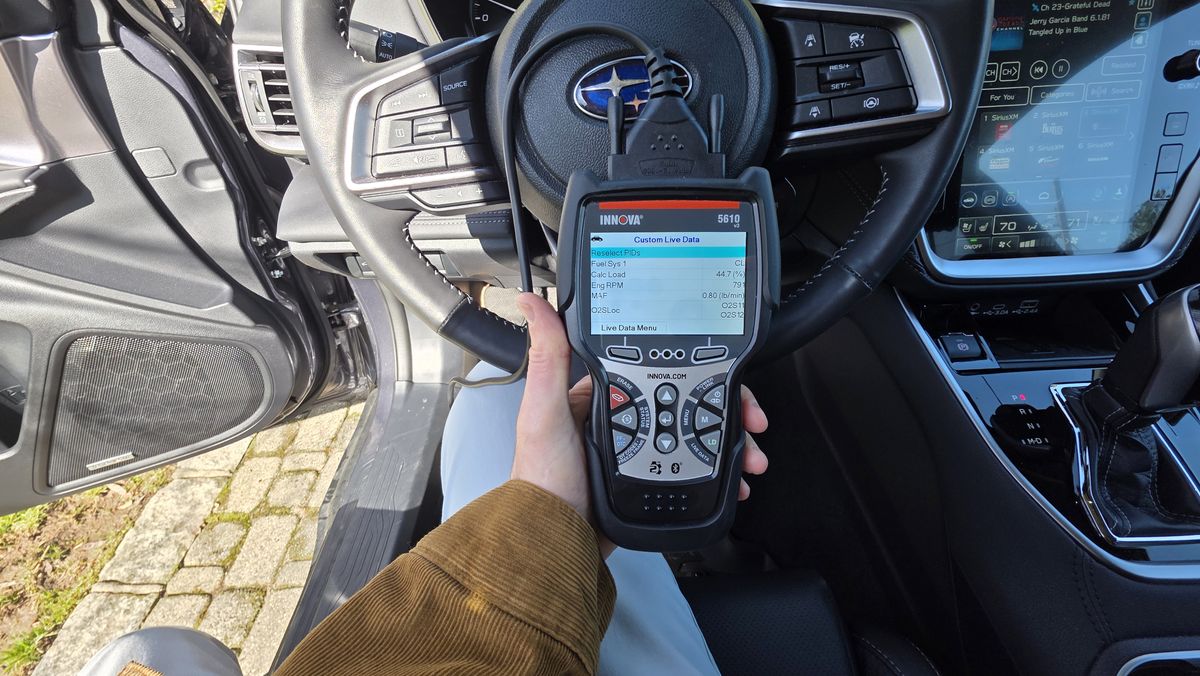
Modern vehicles are no longer just mechanical machines — they are intelligent systems filled with sensors, control units, and real-time communication networks. With OBD-II technology, this internal world becomes accessible to you in just a few seconds.
🔍 What is OBD-II Really Doing?
The OBD-II system continuously collects data from your vehicle’s ECU (Engine Control Unit). Every second, it monitors dozens of parameters such as engine speed, temperature, fuel usage, and emissions.
This data is normally hidden inside the car — but OBD-II opens a direct communication channel.
🚗 From Mechanical Car to Digital System
With an OBD-II adapter, your vehicle effectively becomes a connected data source. Using apps like Autista, this data can be transformed into real-time visual dashboards.
You can monitor:
- Engine performance
- Driving behavior
- Fuel consumption
- Sensor activity
- System health status
This turns driving into a measurable digital experience.
📊 Why Real-Time Data Matters
Real-time data gives you something traditional diagnostics cannot: instant awareness.
Instead of visiting a mechanic after a problem occurs, you can:
- Detect anomalies early
- Observe engine behavior instantly
- Compare driving conditions
- Prevent potential failures
This shift moves vehicle maintenance from reactive to proactive.
⚙️ The Role of Mobile Apps
Mobile applications like Autista act as interpreters. Raw OBD data is not useful by itself — it needs to be processed and visualized.
Apps convert complex hexadecimal responses into:
- Simple charts
- Live dashboards
- Warning indicators
- User-friendly metrics
This makes vehicle diagnostics accessible to everyone, not just technicians.
🔮 The Future of Connected Cars
The automotive industry is rapidly moving toward full connectivity. Soon, every vehicle will continuously communicate with cloud systems, apps, and smart devices.
OBD-II is one of the first steps in this evolution, bridging traditional cars with modern digital ecosystems.

